
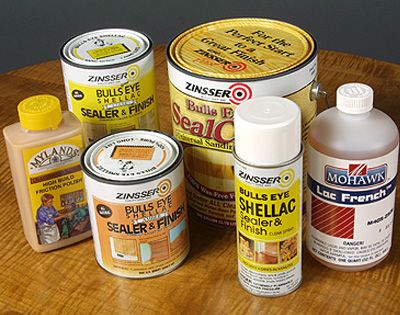
About three weeks ago, I posted a piece concerning a shellac can that blew open as I attempted to pry up the lid using a screw driver. As it turned out, the can I had purchased that morning from a local hardware store was well over four years old.
Ever since that post began collecting comments, I’ve been on the hunt for an answer, contacting various shellac manufacturers in the hopes of getting a definitive answer regarding what caused all that gas and pressure to build up. The folks at Zinsser were kind enough to respond with a rather detailed answer I thought I’d share with all of you.
As it turns out, most of these cans are lined. The slightest flaw in that lining (“even a micro flaw”) can allow the shellac/alcohol mixture to react with the now exposed metal, creating gas and thus, pressure. Zinsser, for one, is aware of the phenomenon and is working out on a solution.
That said, it’s important to understand that the bottom line is, this can was old . . . very old, and while the “maximum shelf life of Bulls Eye Shellac is 3 years,” Zinsser agreed with my recommendation of not keeping shellac longer than one year past the date of manufacture.
So, flip those cans over and check your dates!













Comments
Why is gas produced when the shellac/alcohol contact the metal?
Plastic cans are coming. I use General Finishes water based varnish and have had a lot of trouble with rust. The newer GF cans are plastic but still have a metal Chime (the rim and lid) which still rust. At $18/quart, this was pretty frustrating.
I can't remember the name of the company but there are all plastic cans out there. I ordered a dozen and transferred the labels from my collection of water based varnishes and stains. The nice thing about water based is when they are empty, I can wash and refill them.
"Why is gas produced when the shellac/alcohol contact the metal?"
Shellac is acidic. My guess is the acid reacts with the metal, corroding the metal and releasing hydrogen gas.
Manufacturers should also be providing expiration dates as well. Not just as a safety aspect but to prevent all the extra work and expense of do overs when product age gets involved.
Someday, someone will invent a plastic container that will be so useful, especially to Zinsser.
Log in or create an account to post a comment.
Sign up Log in