
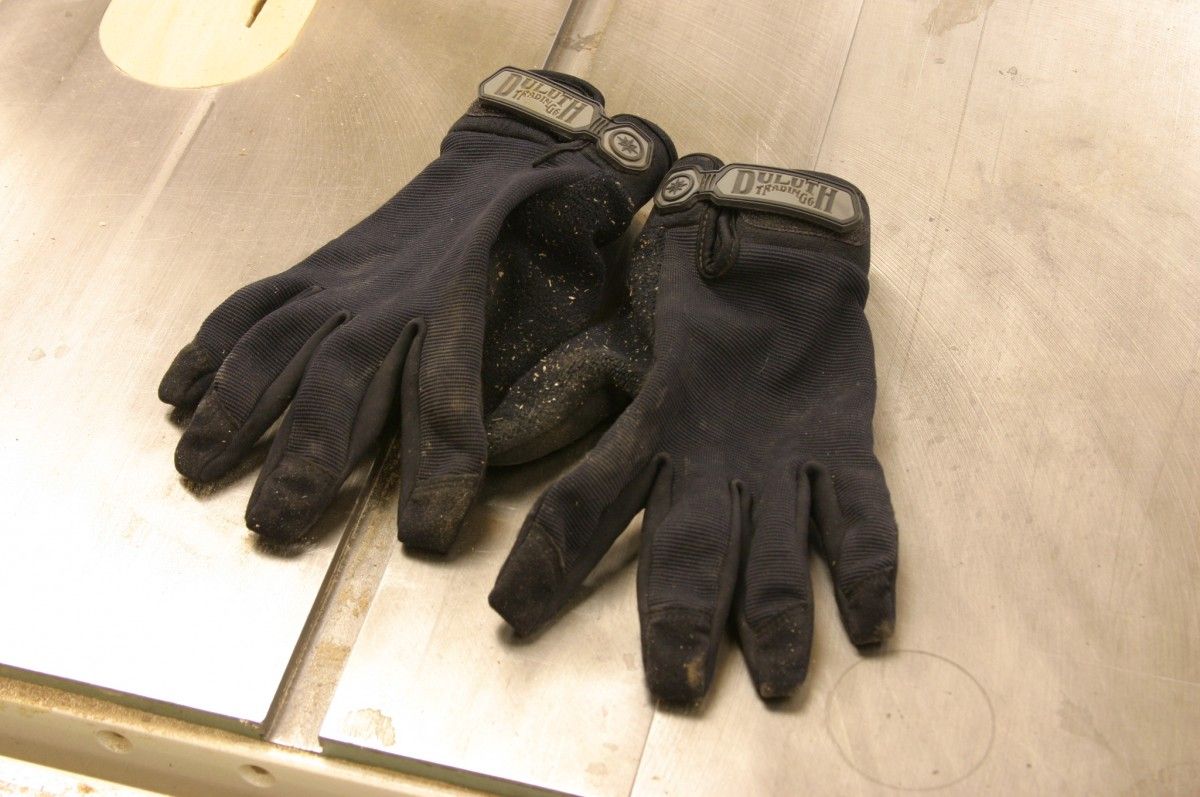
The good folks at Duluth Trading Co. dropped these gloves off at FWW a year ago, and I took them home to do a short review for our Tools & Materials department. At the time I thought, sure, they are inexpensive ($12) and comfy, and they’ll work well when I go out to buy rough lumber, but are they really shouting to be included in the magazine? No, I thought, there are other tools that will do more to improve our readers’ woodworking lives.
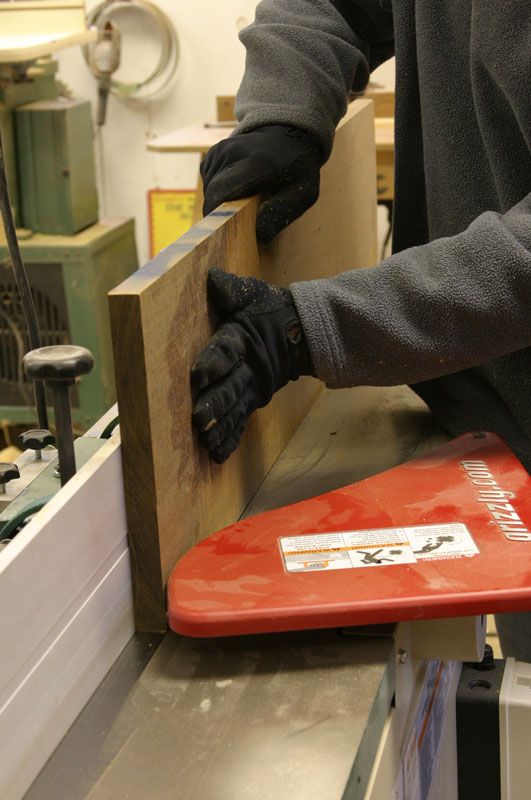
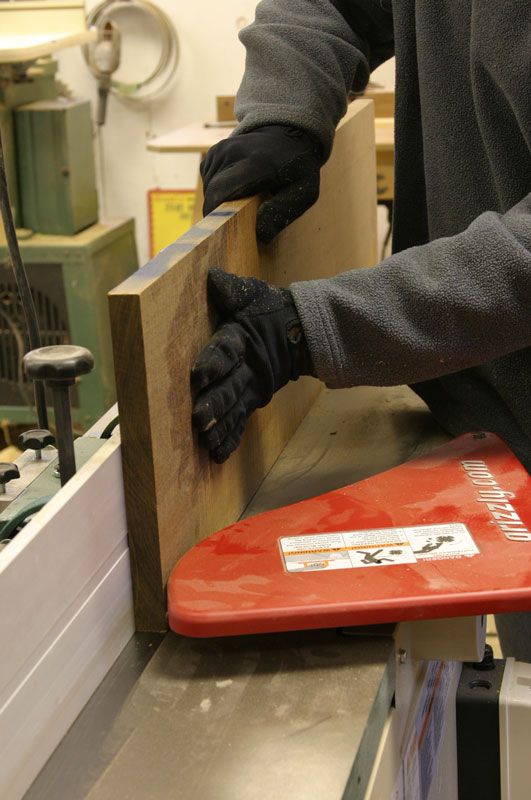
Well, I might have been wrong. I’m not sure if Duluth’s Everyday Work Gloves are any better than other lightweight work gloves in the marketplace, but I find myself wearing these comfortable, grippy gloves more and more. It started when I went out to buy a load of ipé this fall for a front-porch rehab. I was getting slivers galore from these super-hard and super-heavy boards, until I went back out to the truck and found these gloves. When I got home to my own shop, I just kept them on for the milling process. I could hoist and wrestle the big heavy pieces without fear of cuts and splinters, and the leather grip areas actually helped me control the pieces better on the jointer, planer, and tablesaw.
More and more I find myself keeping these gloves on, especially when working with big pieces. It doesn’t hurt when the shop is a bit cold, too. They are thin enough to allow me to grab screws from a pocket, but thick enough to protect my hands. With their stretchy back, they fit my hands closely. Of course I take them off for fine work, and any time they could be caught by a spinning bit. But they sure are handy when sorting through piles at the lumberyard and milling boards to size in the shop.
Gloves. Who knew?






Comments
Asa - I absolutely agree, but remember that gloves can give you a false sense of security. Bad things can happen when a knive grabs the glove and a powerful engine keeps turning.
That's why I take off my gloves when jointing and planing. Or am I too anxious?
I thought I was seeing things when I saw this post. Wearing gloves while operating machinery is extremely dangerous. Hopefully no one will be influenced to repeat this practice as a result of this ill advised post.
I just heard of a guy that lost one of his fingers to a jointer when his glove got pulled into the cutter, he was lucky to not lose more. I wear gloves in the shop all the time but take them off whenever I am using larger power tools. They are great for moving rough stuff and even better for sanding to keep from wearing down your hands but probably not so much for power tool use.
I'd rather pick splinters than risk the chance of forgetting to take off the gloves!!
I can see the concerns about gloves and woodworking. However, it is the responsibility of each of us to take responsibility for our actions. Wearing a pair of well fitted gloves with no loose or frayed strings should be safe. As with any clothing, nothing loose or hanging that could get cought in a spinning blade or cutter head. Our industry is full of guys who can't count to 10 anymore. it can be dangerous work at times, I think the key it to always be paying attention. Tools have a habit of biting when your not paying attention. Personally, I can only count to about 9.9. My table saw bit me once when I wasn't paying attention. Lesson learned!
Bottom line, if you're not comfortable with gloves, don't wear them. Better safe than sorry.
Good points, all. I'll keep all of this in mind.
I knew I'd take some safety flack when I posted this. Let me add a few caveats. I'm not recommending this for everyone--just saying it works for me. People have to make their own safety decisions. If you are nervous about this, or if you think you might forget to take the gloves off at a critical time, then just wear them when you go to the lumberyard. They'll make it easier to unstack and restack those piles, and the yard guys will love you for it.
As I said, I take them off when there is any chance my hands might come close to a spinning blade or bit. Also, these are close-fitting gloves. That's important.
In some cases, believe it or not, I think I can control the stock better when wearing these, with less of a chance that my hands will slip. On the other hand, I make sure I never have dangling sleeves or jewelry.
All that said, woodworking is inherently dangerous. So take your time, err on the side of safety, and never work when you are tired, distracted, etc.
--Asa
I wear workgloves most of the time. If I feel that my hand is ever close enough for a tool to catch my rather tight-fitting gloves, I find another way to do whatever I was trying to do.
My gloves are less than 1/8th inch larger than my hands. If my hand is less than even about two inches from a moving cutter, I get nervous.
However, the planer, with its powered infeed, could pose a grabbing risk, so I do work without gloves when at the planer.
I had to rub my eyes when I saw gloves on ajointer.25 years ago in high school I had the wonderful(not at all!)task of cleaning about half of 4 fingers(from the nuckles)on the left hand of a class mate wearing gloves,even though he was told not to every day.Over the years since I have let a few workers go because of them insisting on wearing gloves on machines.I would urge beginners to not wear gloves on any machine no matter how thin they are!
been woodworking for over 30 years, but I wa having real splinter problems especially when I was truing up rough lumber at the jointer and planer. I started wearing football players gloves ( a pass receiver I think) I bought the smallest I could get on my hands. They are tight and there is no loose material. additionally these gloves have a rough leather palm. I no longer have major splinter problems and I have better control of the material. I also don't slip like I did before. I only use them at the jointer and the planner. Works for me and I feel safer.
.........Wayne
Now it's time to build a PlanerStop ! Hope the SawStop guys are working on it already !
A coworker of mine was using gloves to handle a sharp piece of aluminum when using a drill press. A curled piece of aluminum from drilling snagged his glove. The glove and his hand were pulled by the spinning bit into contact with the bit. He suffered severe injuries to two fingers. He has both fingers, but he lost a great deal of their functionality.
Jim had 35 years of experience in machine shop when this happened.
Log in or create an account to post a comment.
Sign up Log in