Gallery
Taper turned cane blank jig for table saw
Jul 26, 2010
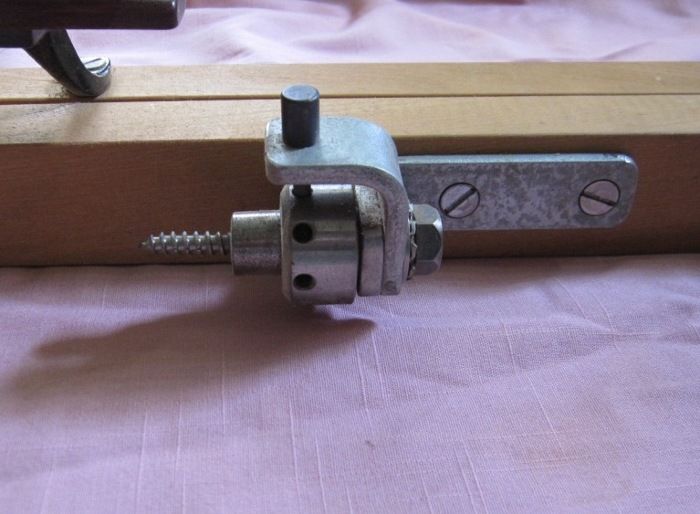
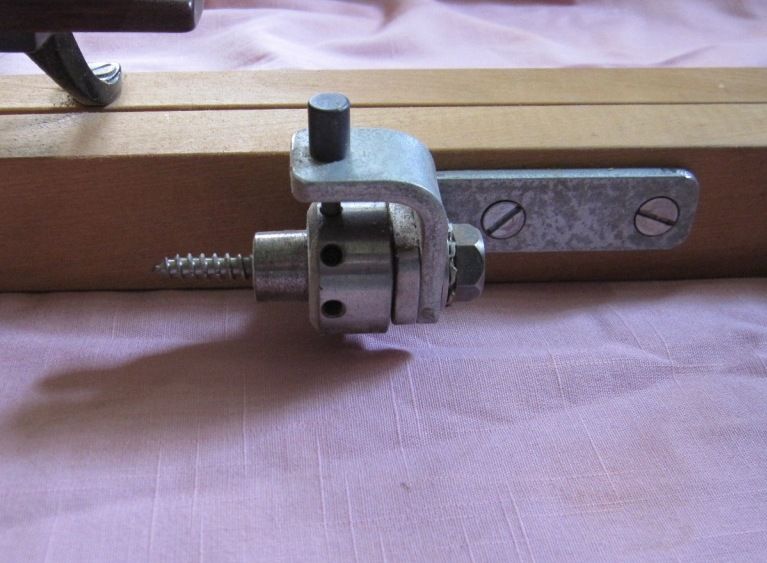
Rotation lock 8 position and free wheeling
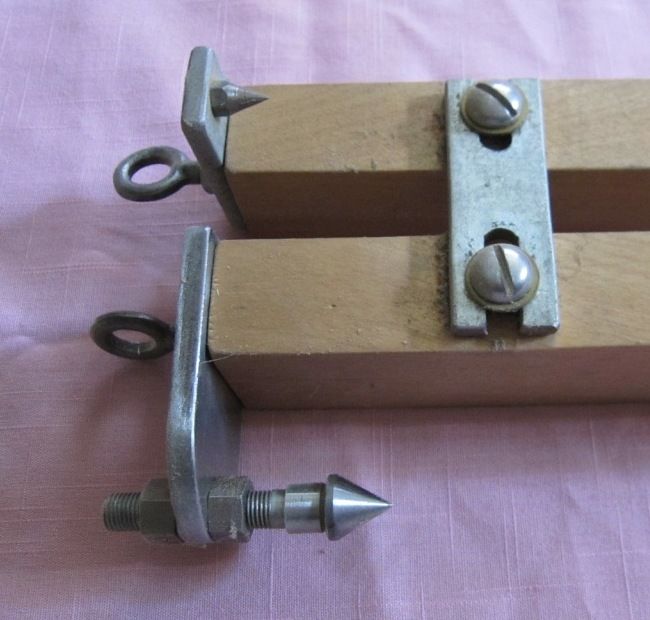
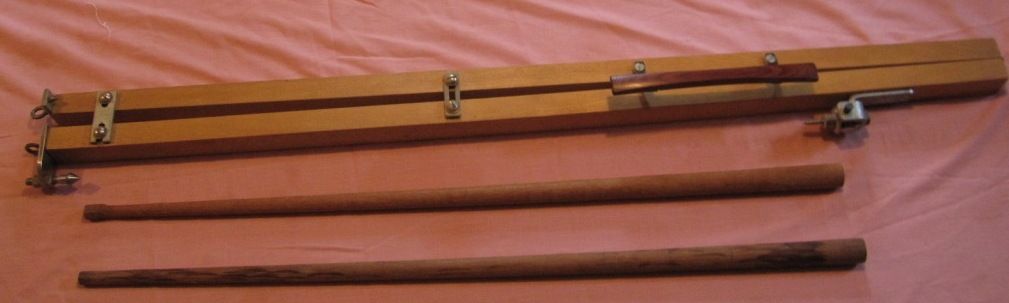
This simple and adjustable jig slides along the table saw fence and with selected angle (taper) will create a finished turned cane blank by running the corners of the square end four times (changing the pin stop) then rotating the now octogon blank by the blade again, this time slowly letting it turn on its own.
This site is protected by reCAPTCHA and the Google
Privacy Policy and
Terms of Service apply.
-
Rotation lock 8 position and free wheeling
-
Taper lock adjustment end and dead center
-
Complete fixture with two samples run, one cherry, one walnut
-
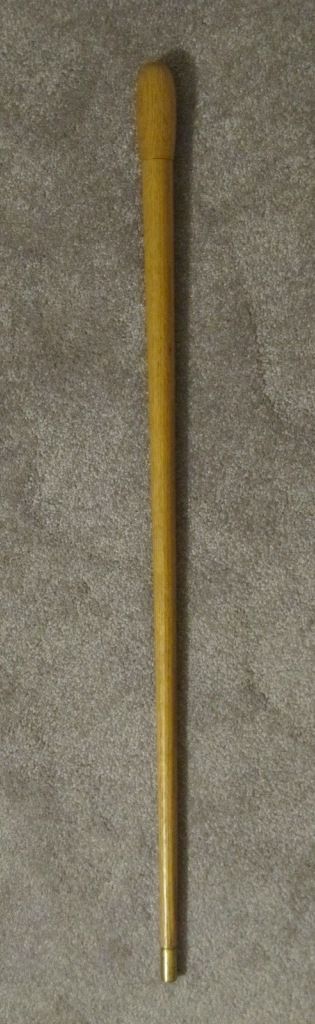
Finished cane with brass boot and matching oak turned cap



Comments
That is just interesting...do you have a video you could share of how it works? I am most interest in the last part- "letting it turn on its own".
Scott,
After reading what FineWoodworking wanted in categories for their fixture contest, I remembered that I designed and built (25 years ago) two jigs for a production cane making project. The saw fixture was quite simple and elegant and produced a blank not usually associated with a sawing technique. The router/lathe fixture was heavily engineered with lots of closely machined mechanical parts.
Since it was that long ago I did not have a simple means to video the process, but still have both ready to go for my retirement in about 10 years when I settle on internet marketed woodworking ideas.
The nature of the saw blanking fixture was to take material stock equal in thickness to the major part of the cane, strip widths of equal dimension to produce a square blank, and lock into the fixture. First pass would knock of one of the four corners and the next three passes would reduce the blank to a tapered octagon. The last step was to introduce the blank one last time to the saw blade (cabinet blade 60-100 teeth) and let the saw slowly revolve the blank to yield a somewhat roughened tapered blank ready for the lathe.
This blank would be placed into the router/lathe fixture and quickly taken down to a smooth surface for finish sealing. The cane head was to be a collection of different shapes/woods/textures/metals to adorn the cane depending of customer request. I have other fixtures and will put more up at my webpage http://www.carlicustomdesign.com when they come.
Bob Carli
Log in or create an account to post a comment.
Sign up Log in