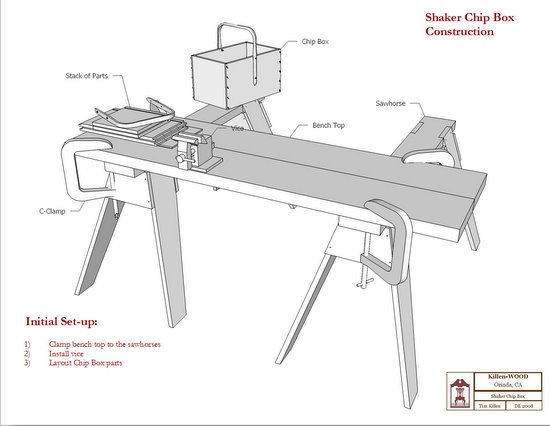
Our woodworking group is working with the local Veteran’s Hospital to develop craft and SketchUp activities that may be helpful to veteran’s at the hospital. The hospital staff are encouraging us to provide wood projects in kit forms that can be assembled and finished by the vets. However, there are no workbenches and some sharp tools would not be appropriate.
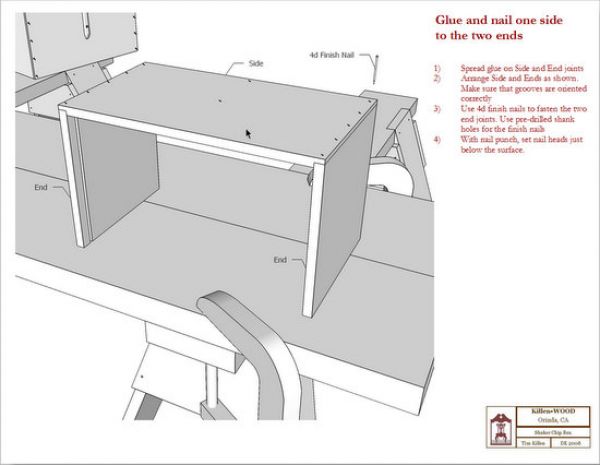
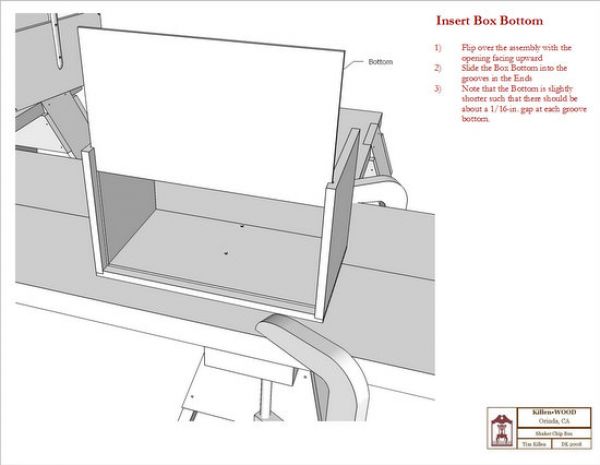
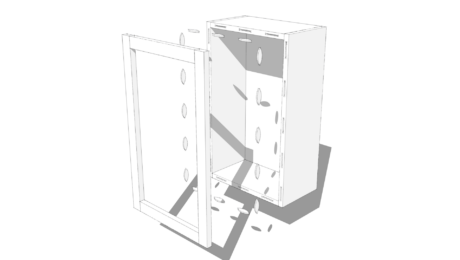
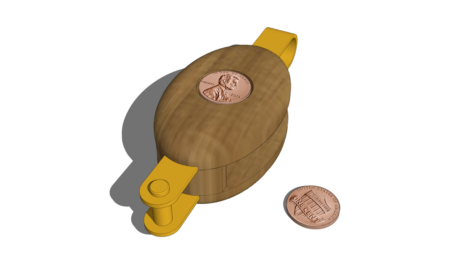
We’ve developed an idea (in SketchUp) that includes the supply of a temporary workspace and pre-cut components for a Shaker Chip Box. The original box included dovetail joints. We are proposing simple rabbet joints that can be nailed and glued by the vets.
If you have experience with veterans in these types of activities, I would very much appreciate your input and comments.
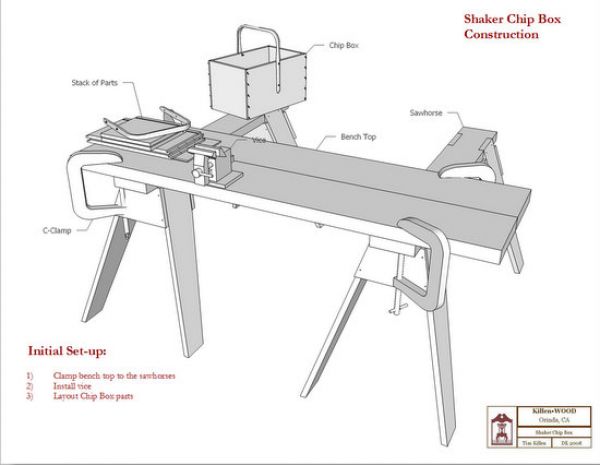
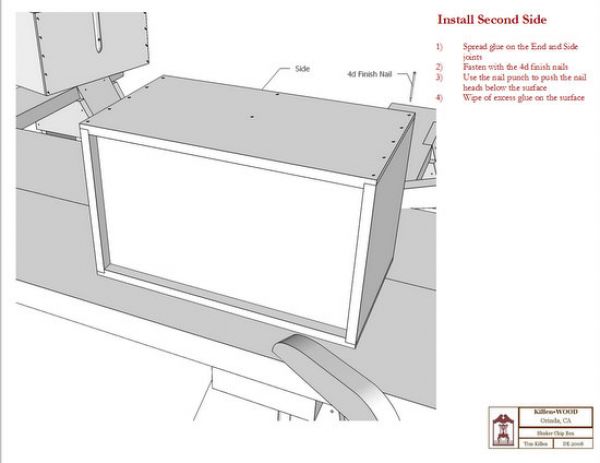
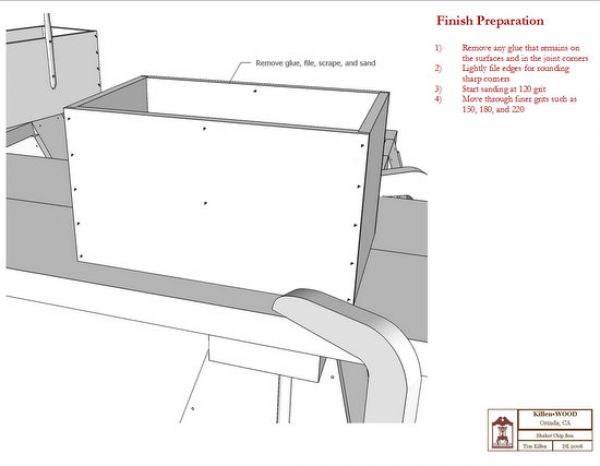
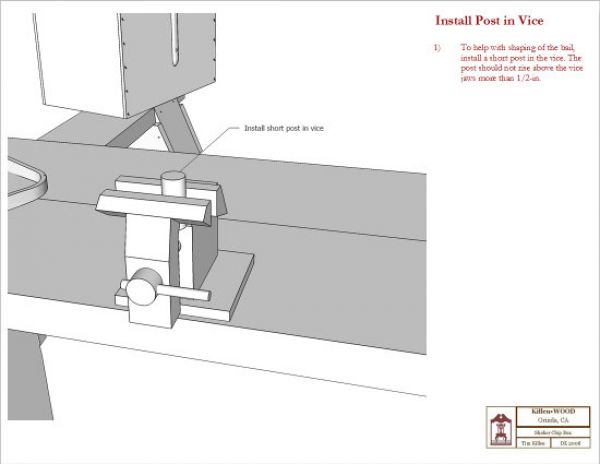
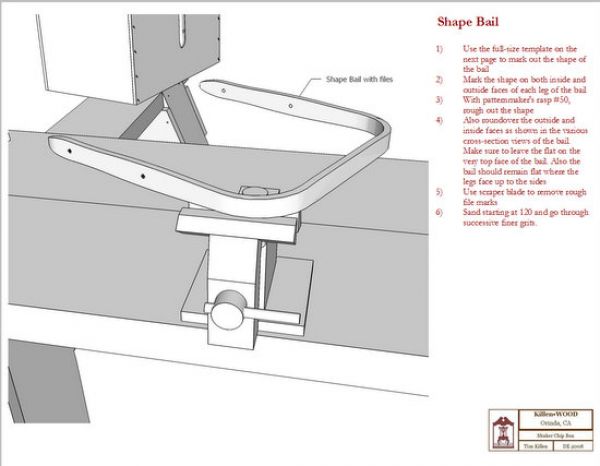
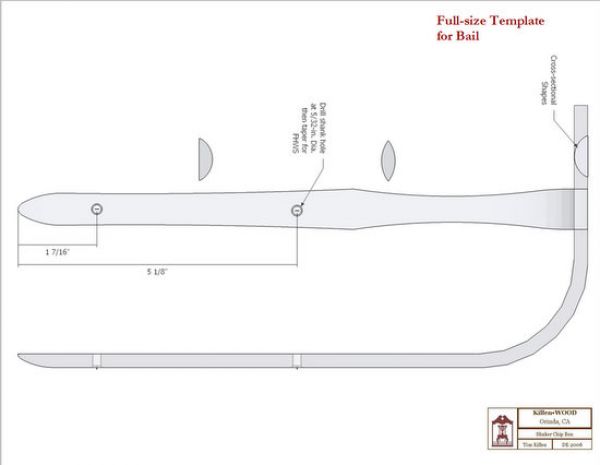
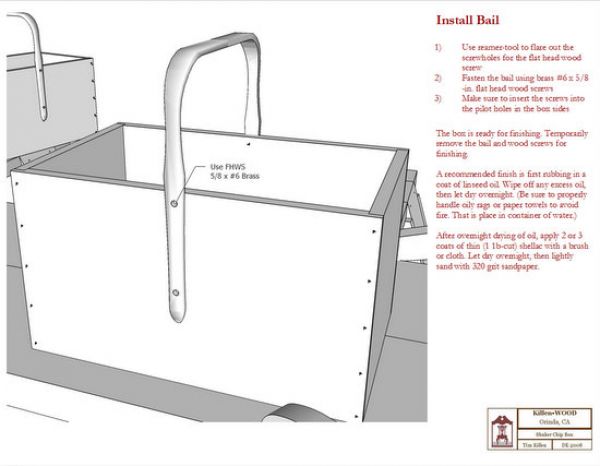
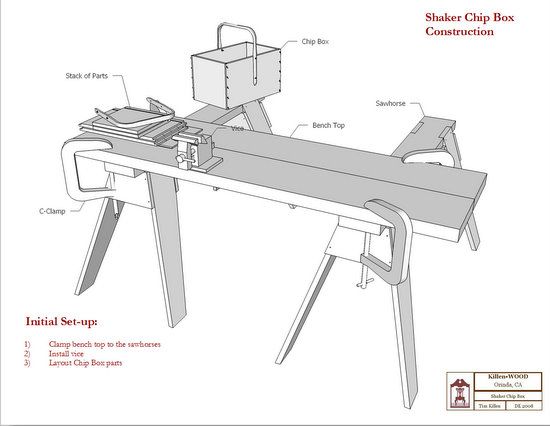
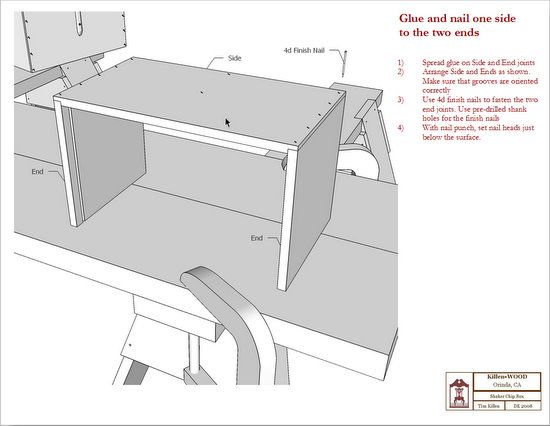
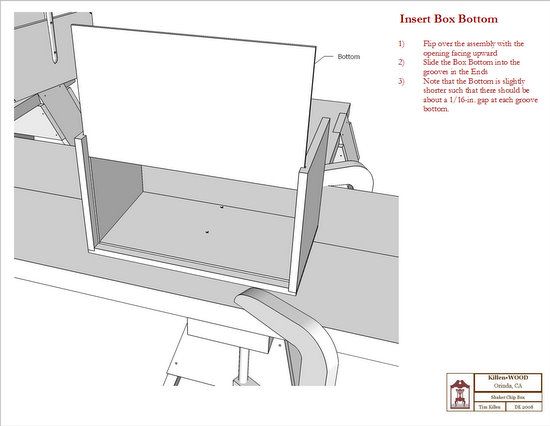
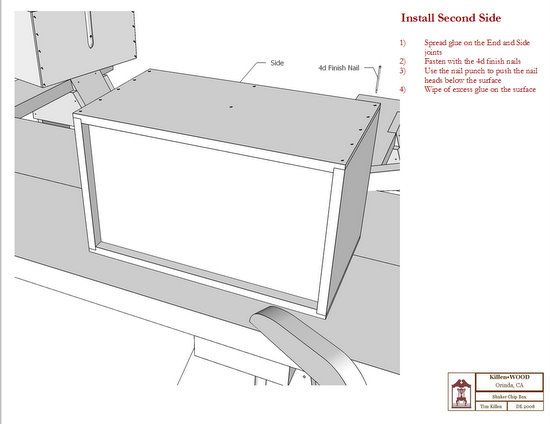
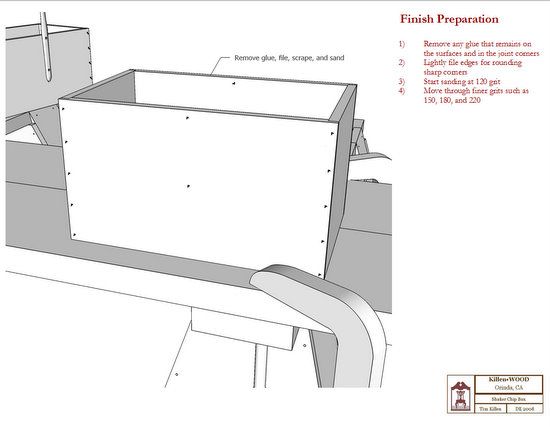
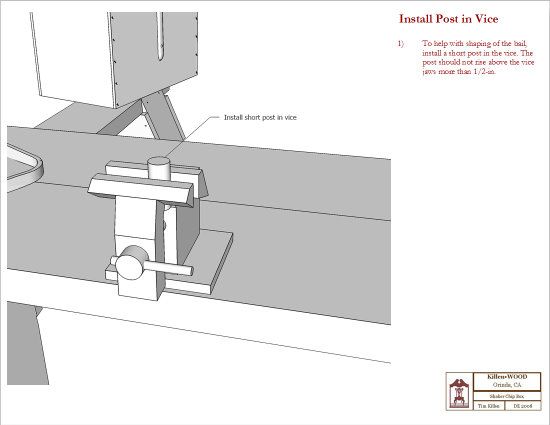
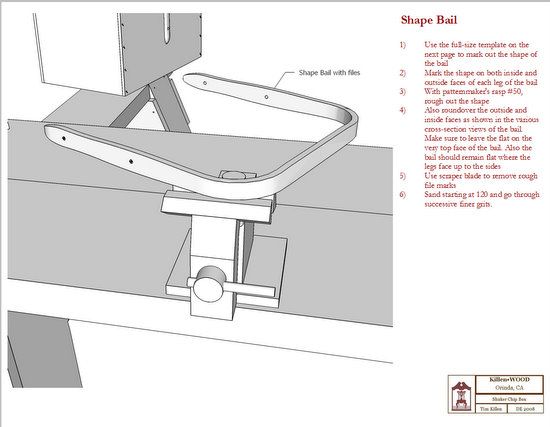
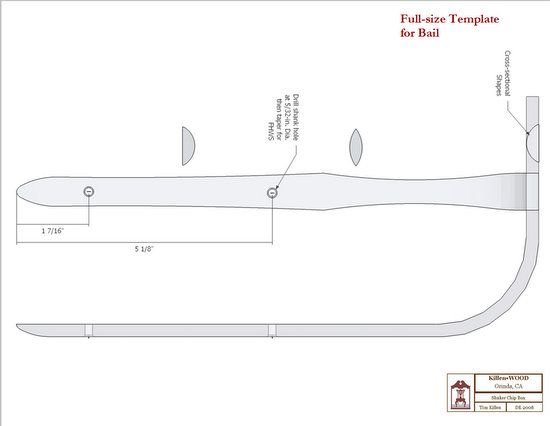
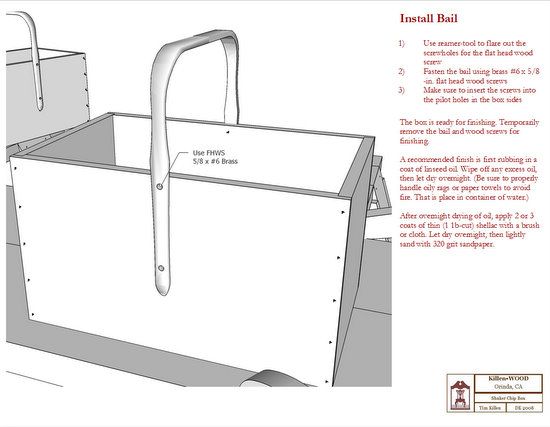
Here is the 9-page “instruction” developed in SketchUp, then finished-off in Layout:
In addition to kit-type projects, we are looking at training programs in SketchUp. There is a small computer room that can be used.
Again, if you have experience working with veterans, I would appreciate your feedback, suggestions, and comments.
Tim

Comments
Morning Tim,
I run a woodshop for the mentally ill in an outpatient setting. Several of my crew are veterans but that has little to do with how I run the shop. I'm assuming that the pt's at the hospital have physical injuries and some mental issues since you feel that some sharp tools are not appropriate. Is this because you are worried about self-injurious behaviors or assaultive? If you're worried about self-injury, the nails, screws, even splinters off the wood itself are a concern. If aggressive/assaultive behaviors are the problem then the hammers are a serious issue. I'd be less concerned with chisels, rasps, planes etc because they are easy to count out and back in at the end of the session.
One of the major goals of this sort of project is to improve self esteem. For this reason, I would make the project more complex. Box joints, even the original dovetails (in softwood)are probably not too much for them. You could rough out the joints but leave a significant amount of work for them to do. If you want, you could make a couple different styles of kits which they could choose from. Learning new skills and taking pride in your work can be a real ego booster.
Basically your job (and mine) is to make sure that they do succeed. Presumably they have some serious injuries and have had some bad times. A calm time working on a project with supportive staff who encourage them, tell them that they can do it even when they think they can't, can really change a person's attitude and will significantly help them recover their lives.
And thanks for your work on this. It is important.
Richard
Richard, your comments are so helpful. I hadn't thought of these issues and will discuss with the hospital staff. I was worried about doing more complex joinery, so maybe I can be more aggressive on that. I did not hear about any assaultive behaviors, and sharp tools were considered a problem for accidents.
I'm hoping to achieve a positive experience for all involved and your comment about the importance of their success on the project is key.
Thank you very much,
Tim
Tim,
Richard is right. I am one of those Veterans in a Vets Home & have done lots of these glue up projects. I only have the right side of my brain to work with. Now I design on Shetchup And then try to build. Works so far.
Remember the "government" or powers to be always look for away to say NO. They almost always hide behind the Safety issue. I aways ask "Why do we have Knifes & forks to eat with as they are saftey hazzards". Have not gotten an answer & no not expect one. Have learned alot from you & Dave Thank You & keep it up.
To genethehat: thank you for the note and feedback. This will help us in the design of the program. I could have only hoped to receive a note from a veteran, and to hear from one who uses SketchUp has been an unbelievable bonus.
Good luck to you,
Tim
Woodworking as Occupational Therapy.
My personal view to undertaking woodworking within a War-Service Veteran environment is that it is rehabilitative in nature and will prepare participants for managing future demands of work-, social-, personal- and domestic-environments. I believe that traditional arts-and-crafts / mechanical activities provide an opportunity for a clinically monitored transition from medical-management through to meaningful-and-significant participation-of-life.
I personally view woodworking programs (especially “fine woodworking” that requires higher-level skillsets) as being beneficial in terms of occupational therapy in that it can be diectly measured through clinical criteria (focussing on the effectivness and efficiency of treatment/participation) in the following areas:
• assisting in maintaining personal well being,
• preventing deterioration / relapse of chronic mental health conditions (including PTSD),
• promoting and restoring psychosocial functions,
• restoring work capacity,
• promoting social adjustment and integration, and
• testing the stability of recovery.
Most Veterans are keen to learn how to manage tasks presented to them. Some will want to do so privately, while others will be open to one-on-one help. The program manager's job is simply to provide a suitable challenge - this will be different for each veteran (based upon their condition)
There are many theorists that will attempt to match learning styles with teaching styles. Whilst this can be done, it is important not to pigeon-hole individuals. Each individual is dynamic and will respond to contextual inputs (thus any theoretical model can not hold true within a practical world).
Over the past 25-years or so I have found that courses and programs that I have delivered are similar to the models proposed by Malcolm Knowles' Lifelong Learning concept (Knowles was a very pragmatic adult education theorist), and Gerald Grow's Self Directed Learning Model. Grow has authored an article about "Teaching Learners to be Self Directed"(available online at: http://www.longleaf.net/ggrow/SSDL/SSDLIndex.html).
In regard to projects and benches etc. You could ask the participants to help in the planning and design phases. They are the ones that best know their abilities and limitations.
Tools are not a serious issue in terms of handling. Some veterans may need to learn how to manage them (either for the first time, or how to adapt to their injuries). This can be mitigated by protective dress (shoes, leather apron, fine leather glove - if appropriate). In my case I had to learn how to manage with impaired vision - I did so in my own time and at my own pace (lots of little knicks and the odd minor injury with a bit of blood flow). Now I can accomplish almost any fine task totally by myself.
Hope this helps.
Regards,
David Bayliss - Australia
(Totally and Permanently Incapacitated Combat Veteran)
To dgbayliss: Thank you very much for your very thoughtful note and information. We are scheduled to attend an open house at the VA hospital next month. The new center for PTSD will be the focus of the open house. We will be there with our workbench and planned projects. This will give us a chance to talk with veterans about woodworking, and learn more about their interests.
Thank you,
Tim
I have so enjoyed reading this discussion -- hats off to all for comments and thanks for reminding me that there are indeed things to be done to help our veterans.
Log in or create an account to post a comment.
Sign up Log in