Spalted wood fungus of the month – Arthrographis cuboidea
Arthrographis cuboidea is responsible for most of the cotton candy pink stains you see in lumber of hardwoods. May 01, 2010
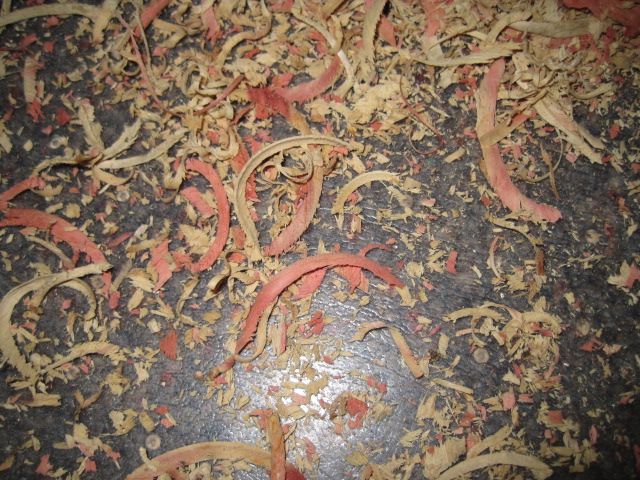
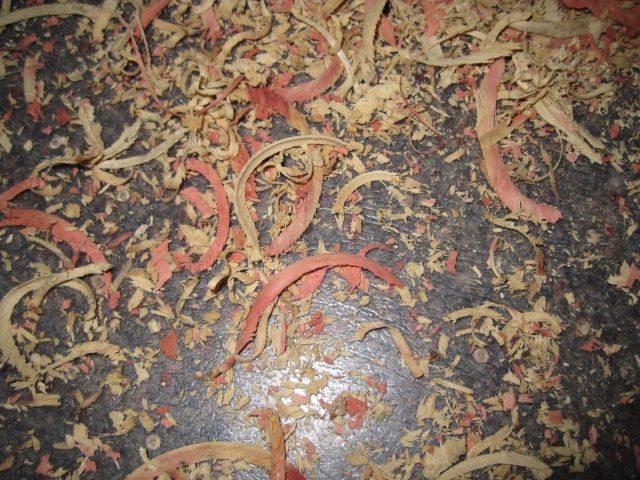
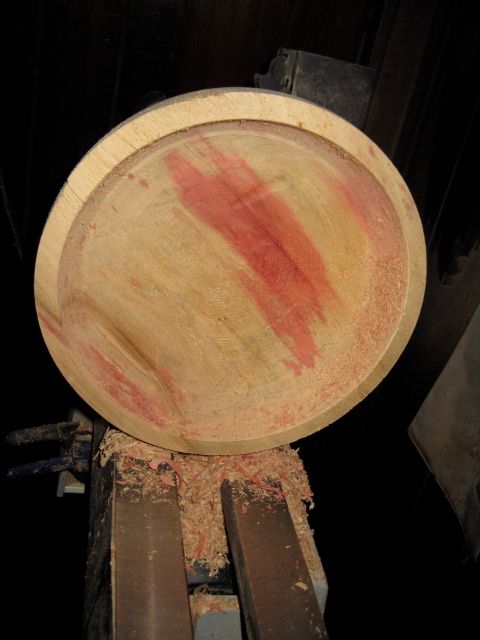
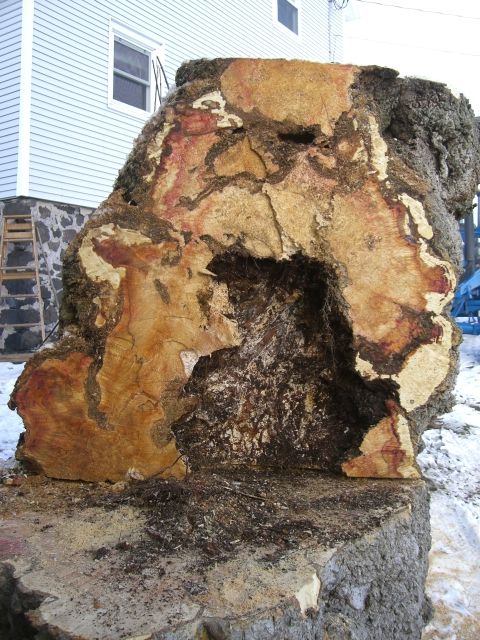
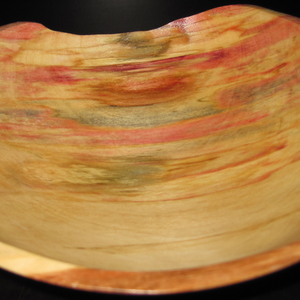
Arthographis cuboidea produces a pigment which penetrates throughout wood.
Spring is here, and summer is right around the corner. I usually spend the warmer months focusing directly on spalting fungi – how to find them, how to use them, etc. As with last year, all the fungi I detail on this blog are common, moderately to very easy to find if you are in the right forest type, and very distinctive.
Although the weather is still cool in many areas of North America, its not too early to start thinking about your summer collecting. With that in mind, I’d like to spend the next few months going over some of the pigment fungi. This month I’m highlighting Arthrographis cuboidea (it doesn’t have a common name, sorry!), which is a wonderful, wonderful fungus.
Hmm, a pink stain. I wonder what it looks like…
Arthrographis cuboidea is responsible for most of the cotton candy pink stains you see in lumber of hardwoods.
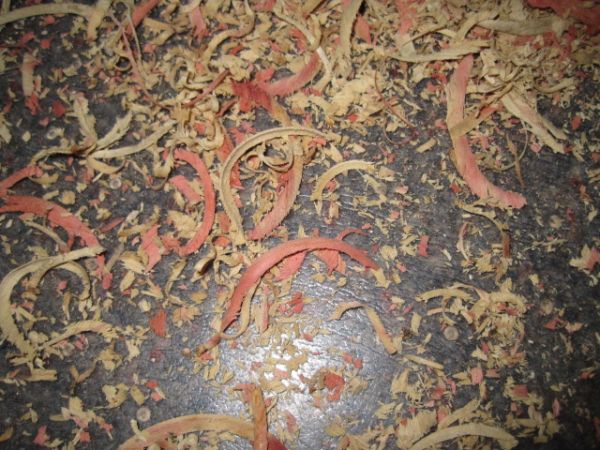
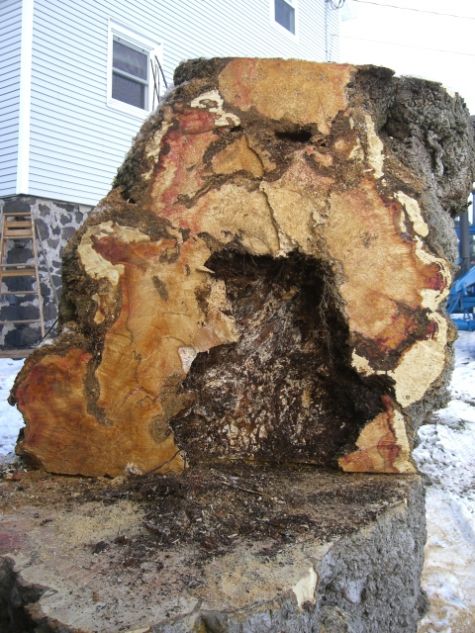
It is a different sort of pink than the red/pink commonly seen in boxelder trees (which, if you recall, is not spalting), and unlike the pink stain of boxelder, does not fade in indoor light. It is a surface mold, meaning it does not grow very far inside the wood, however its pigment diffuses. This means that the color gets deep inside the wood, while the fungus stays relatively on the outside. Perfect for spalting!
Realizing that I just used the word ‘mold’ in a sentence, I’m going to take a moment here to calm everyone down. Arthrographis cuboidea isn’t going to kill you, make your ears fall off, give you a lung infection, or make your child grow a tail. This fungus is no more dangerous than any other common air mold (which you are breathing right now), and is far, far less toxic than a lungfull of sawdust particles. Have you calmed down? Good. Let’s move on.
To fruit or not to fruit. That is the question.
Unfortunately for all of you mushroom-picking enthusiasts, A. cuboidea doesn’t make a mushroom. This is one of those fungi that you’ll need to find on rotting wood in the forest, then import to your spalting tubs. The big key feature that separates A. cuboidea from many of the other pink/red stains is that its color continues throughout the wood. This fungus also seems to prefer soft hardwoods, like aspen, over others. With that in mind, here are some quick tips for finding and IDing this fungus out in the woods:
- Navigate to a patch of forest with older trees. Try to find a stand where the aspen trees are mostly dying off.
- Check near areas of water. Not IN the water (fungi need air, remember), but near, as those areas are likely to be moist.
- Kick open rotting logs, look under leaf piles, etc.
- If you find pink stain, use a pocket knife to remove about 1/2″ of wood. Check to see if the stain penetrates.
- If it does, use a small hatchet to remove about a fistfull of pink wood. Place the wood in a brown paper bag.
- Within two days of collection add the wood to your spalting tubs. Waiting longer than that will cause airborne molds to colonize your wood, and those molds will probably irritate both you and your allergies.
Best of luck!
Seri
http://www.northernspalting.com
Coming up next month: Fusarium reticulatum – the little pink stain that could!
-
Arthographis cuboidea produces a pigment which penetrates throughout wood.
-
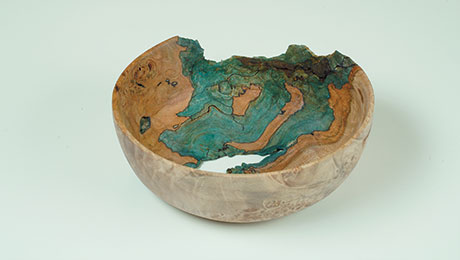
Penetrating pink stain of Arthrographis cuboidea on basswood.
-
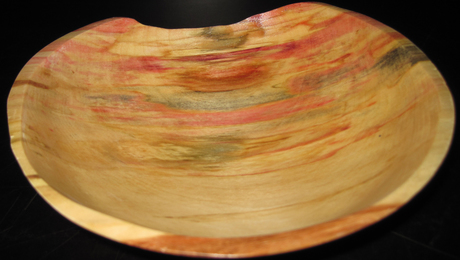
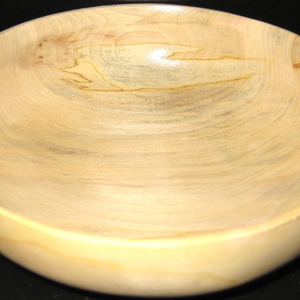
Pink stain of boxelder. Remember, this ISN'T caused by spalting fungi!






Comments
I've had a picture of Arthrographis cuboidea hyphae on my desktop for weeks now! It's currently holding strong as one of my favorites pigments.
Really? And here I thought I was the only one with pictures of fungus on my desktop!
I want to go fungus hunting with you again! It was fun, even if we didn't find anything you needed. :)
I have a large dead silver maple tree in my back yard. The top has been cut out of it up to the third fork. It has been dead for about a year and is starting to grow various fungi on it's bark. I am hoping that this is creating spalted maple. My concern is how long should I wait before I cut it down and mill it? I am trying to get in between the spalting process and unusable rotted wood. I live in south Texas, hot and humid.
@Guitarguy -
If it is growing mushrooms, then it is as spalted as it is going to get. Mushrooms are an indication that the wood may even be too far spalted, so I would fell the tree immediately and use the wood.
Good luck!
Log in or create an account to post a comment.
Sign up Log in