Spalted wood: Nutrient Supplements for Spalted Wood (e.g. beer)
Something that has caught my eye recently is the number of 'recipes' that exist for spalting wood. Mar 01, 2010
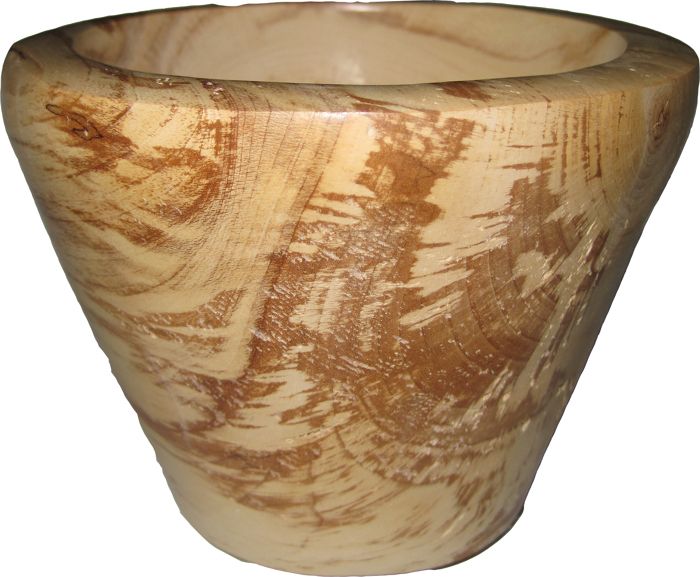
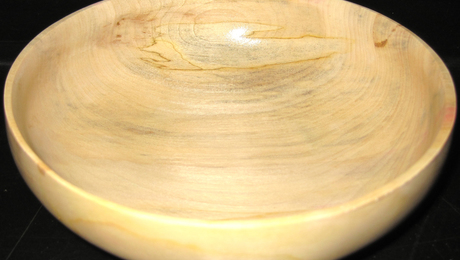
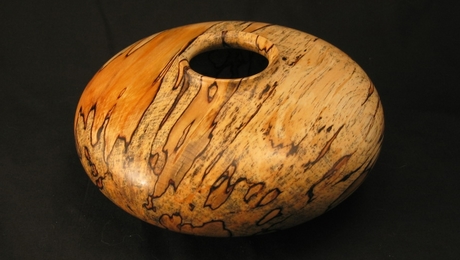
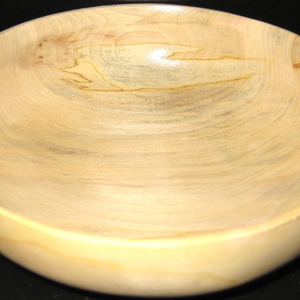
This white rot took one summer, outside, in a wood pile. No nutrients, no beer, no soil. Just nature.
Ah yes, the internet, the place that gives us such a variety of information. From research to conjecture to just plain silly (spalted wood will kill us all!), if you search long enough, you can find just about anything. Something that has caught my eye recently is the number of ‘recipes’ that exist for spalting wood. There is obviously some interest in this subject, so lets break it down with a little science.
Beer – its not just for drinking!
Apparently, some feel this beverage is perhaps better suited for spalting. Most sites seem to be in agreement that the beer must be poured over the wood, although I did find one that suggested drinking the beer, then urinating on the wood. While pouring the beer over the wood certainly won’t hurt anything, its not really doing anything either (except costing you money, and wasting your beer). There’s nothing special about the sugars in beer, and the wood, and this is important now, doesn’t need anything added to it. If you take a look around, nature does just fine decaying wood without a handy helper.
But wait! Doesn’t it speed the spalting process? The answer is, sadly, probably not. Pigment fungi are the fungi that use the surface sugars as their dietary basis, but then, so too do the molds. You’re just as likely to encourage some dangerous mold fungi as the pigment fungi and really, its not going to speed things up nearly as much as just keeping the wood in a warm room.
In fact, pouring anything sugary over the wood has the possibility of causing a longer spalting incubation time. Stay with me here. White rot fungi, the fungi that cause bleaching and zone lines, cause that bleaching by removing lignin (part of the ‘structure’ of wood). Lignin is slightly pigmented, so its digestion lightens the wood. White-rot fungi aren’t going to go after the hard food (lignin) if there is tons of easy food (sugar) around. Hence, until all that sugar is used up, you’re not going to get lignin digestion, and therefore, not going to get bleaching.
Beer conclusion: drink it yourself, the fungi don’t need it
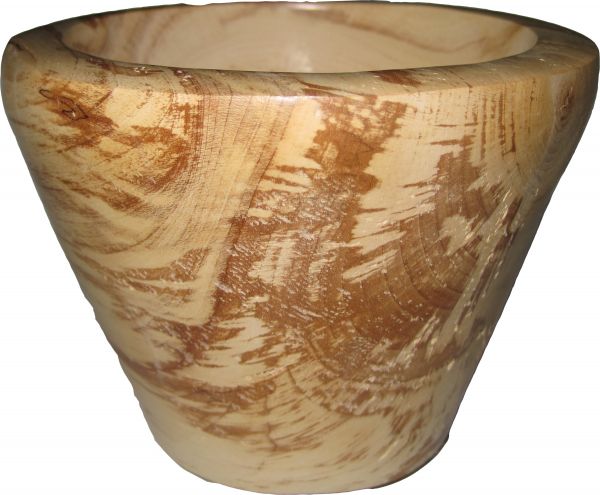
sugars do not help bleaching
Peeing on wood (with or without drinking beer beforehand)
Of all the recipes out there, this one has the best chance of working. Unfortunately, its kind of stinky. Urine contains a lot of nitrogen (urea), which is often a limiting growth requirement for fungi (fungi may have to stop growing because they can’t get enough nitrogen, or at least, this is what my biochemistry class taught me). So, pee is good for fungal growth. Unfortunately, spalting isn’t really about fungal growth, its about pigmentation and antagonism. So increasing growth and decay isn’t really an objective. Now, if someone could come up with a compound that stimulated pigments, we’d be set.
Peeing conclusion – take it or leave it. I’m not convinced. Also, I don’t really want to pee on my wood. Call me crazy.
Nutrient and Sugar Mixtures – beer and pee under other names
It seems like almost everyone likes to use some sort of sugar/nutrient/nitrogen mixture on their spalted wood. Since I’ve already talked about most of this, I won’t repeat myself except to remind you that the things that the fungi need are already in the wood! If they weren’t, well, wood-decay fungi would have a pretty hard life. Also remember, you’re not trying to stimulate growth, so adding things that stimulate the growth of a fungus is pointless at best, and highly destructive at worst (punky wood is hard to turn).
Nutrient conclusion: pointless.
Adding Wood Shavings / Soil
This method is doing two things, neither of which is stimulating anything. First, adding wood shavings and/or soil helps keep a high moisture content in the wood, which the fungi need to grow. Second, adding one or both of these introduces extra fungal spores, which may or may not be spalting fungi. So, no stimulation, but they are helping.
Shavings/soil conclusion: helpful for spalting, but not for the reasons most people think
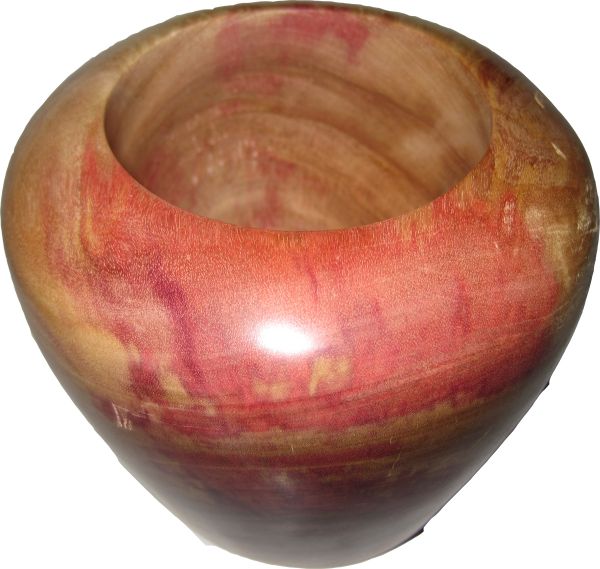
pink stains prefer no soil or vermiculite
So, is there any way to speed up spalting?
How to really hurry the spalting process:
- Keep it warm (~80-85 degrees F)
- Keep it wet (~20-25% MC)
- Keep it dark (fungi don’t like light)
- Keep away from silly internet sites that promote recipes for additives to wood
- Clear as mud?
Seri
http://www.northernspalting.com
-
This white rot took one summer, outside, in a wood pile. No nutrients, no beer, no soil. Just nature.
-
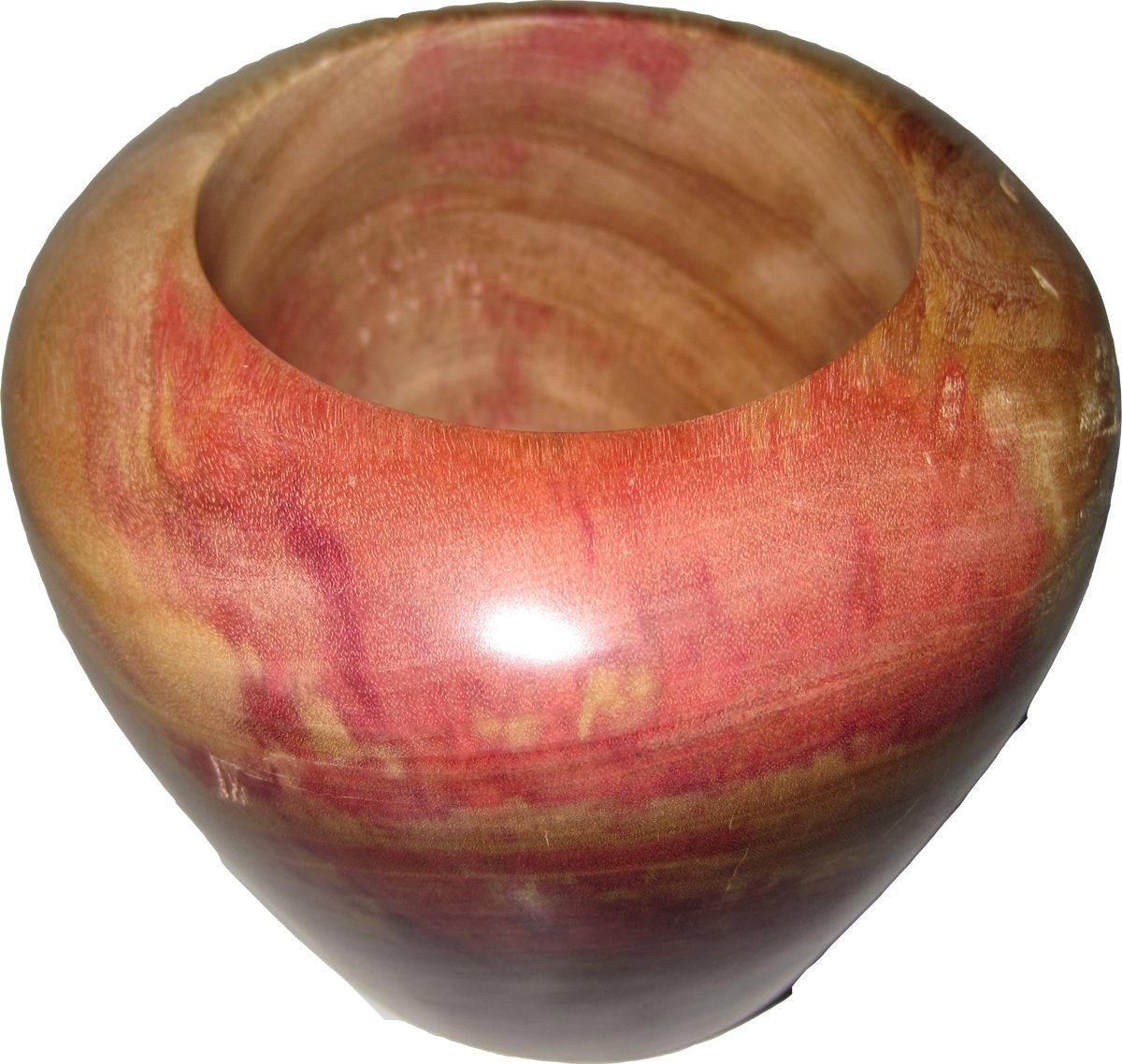
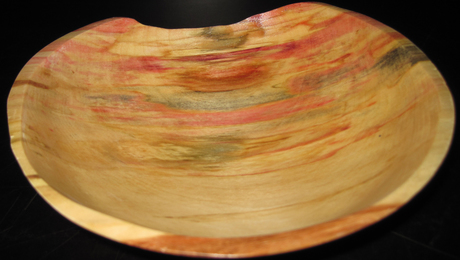
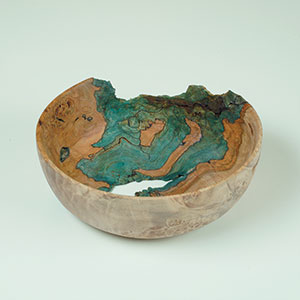
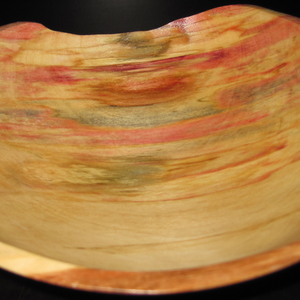
This pink stain took 2 months in a plastic tub with nothing added, not even vermiculite.





Comments
Way to go! I really appreciate your insight.
Thank you!
Informative AND amusing. Thanks!
Warm, wet and dark?
The most spectacular spalting I have ever seen was on some white oak that I cut down in the fall and didn’t get around to sawing until spring. So it wasn’t warm (it was winter), it was probably greater than 20 % moisture content , although it was stacked off the ground so it was in the process of drying and it was in full sun every day.
I think if you want it to spalt it won’t and if you don’t want it to spalt it will.
CaptainSkinnyBeard - fungi are very versatile creatures, and grow in almost all environments and under most conditions. I have no doubt that lumber stacked outside in winter spalted. The trick is that spalting is quicker when it is warm, wet, and dark. It most certainly will still happen under less-than-perfect conditions, it just goes a bit more slowly.
Imagine how much spalting you'd have had if the fungi had been given optimal conditions!
If someone gave me spalted bowl and told me they peed on it to get it that way, I'd definitely NEVER use it.
I've had maple and pecan tree trunks spalt by just being in contact with the soil and moisture. If the log is sitting cut side down on the ground it will absorb rainwater and microbes from the soil without any help. When you see the lichen start to bloom, you're in the spalt!
Beer may work, but you'd have to use non-pasteurized beer, otherwise the yeast is dead. I won't go into the qualities of pasteurized beer.
I'd rather make my beer and drink it whilst leaving timber I want to spalt on wet, shady ground.
You could store billets in a plastic trash can, the bottom layer on stickers, with water in the bottom, might speed it up.
If you're using spalted stock, make sure you wear at least an N-95 rated mask when working it. Moulds in the lungs are a bad thing.
I agree that nothing needs to be added and you only to create the perfect conditions if it doesn't already have it naturally.
I always get spalting on my NZ beech if left in the forest. We have a temperate climate (mild temperature) with high humidity (high MC) in the forest. High rainfall in 3 seasons out of 4 encourages moss growth which retains water like a sponge and releases it slowly keeping humidity levels high and constant throughout the year, even through a hot summer. A fallen tree will lie under the canopy ( ie: so it is in a darkish place) and spalt without any help. My only skill is to try to rescue the wood at just the right time before too much spalting takes place and it gets punky.
Splating is such an interesting process. But it's not a process you can force. It reminds my of Krenov's philopshy to not force the wood to the shape you want, but shape the wood as it wants to be shaped.
lwj2 - while I agree that a mask should be worn when working with spalted wood, this is not because the wood is spalted. You may want to check out some of the previous posts under 'spalt your own lumber'. The fungi that cause spalting are not toxic to healthy individuals.
I think the theory behind the beer is the sugar and malt, not the yeast, as yeast do not cause spalting. Either way, its a waste of beer! I agree I would also rather drink the beer and wait for the spalting than waste the beer. Cheers!
Doctor Dan - So true! Even with induced spalting, the shape of the turned piece is often dictated by where the spalting lays, not the shape that you, as the turner, are aiming for. I often get comments on my turned pieces from people commenting on the size, shape, or thickness. I have to then explain that I turned following the spalting - in the end, the fungus picked the shape, not me.
Ceci est amusant et tres interessant thanks
Log in or create an account to post a comment.
Sign up Log in