Bent Dovetail Cabinet
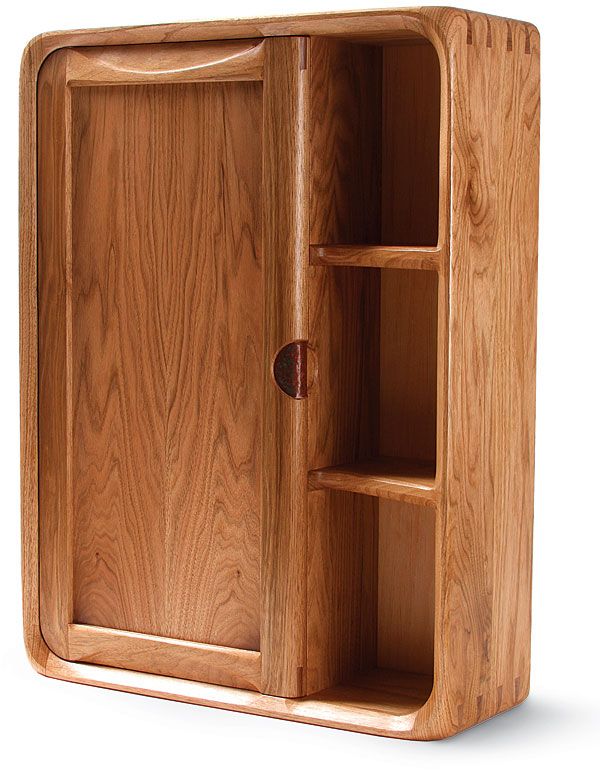
Woodworker: John Tetreault
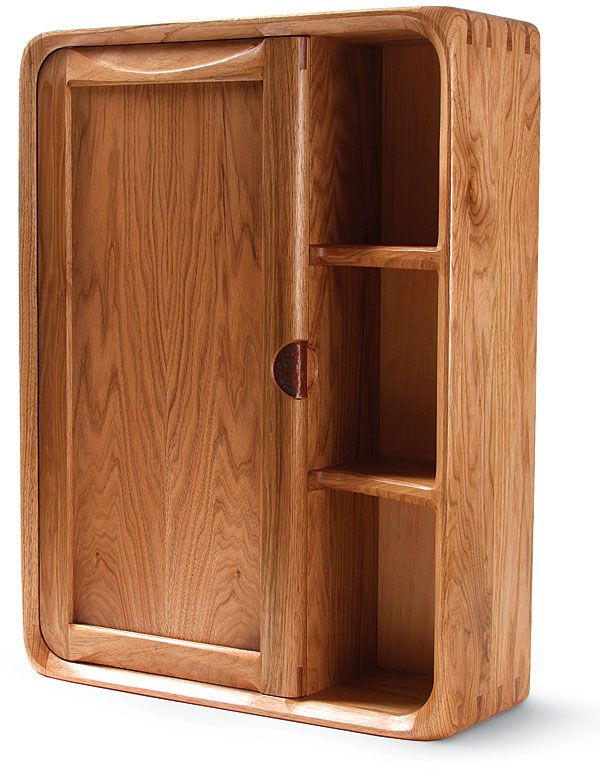
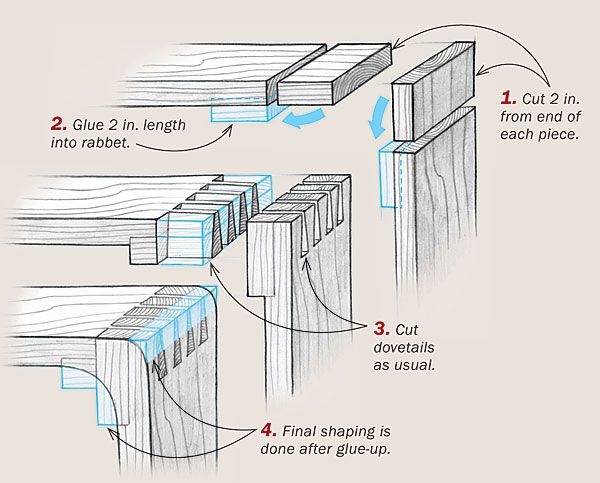
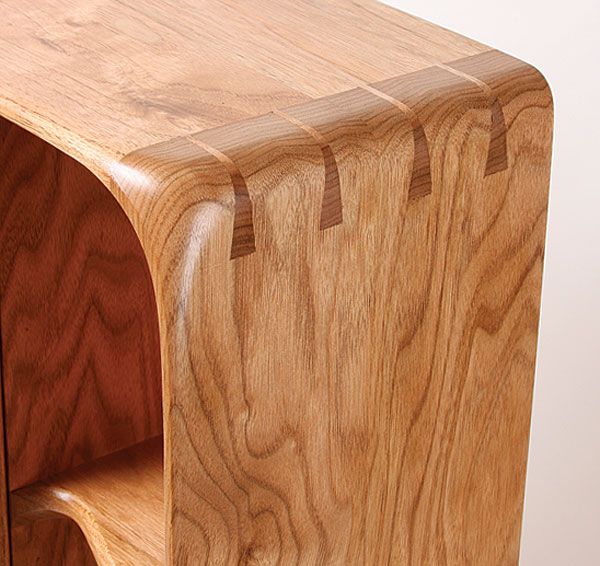
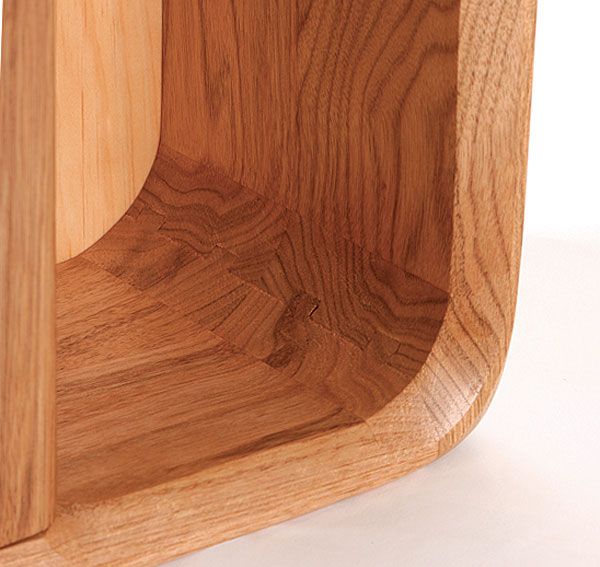
Tetreault, also the author of “Fine Furniture from Reclaimed Wood,” has used his “bending dovetail” technique on a number of pieces, including this curvy wall cabinet (7-1/4-in. deep by 19-in. wide by 27-1/2-in. tall). Not only does he like the way the curved joinery looks, but it’s also a great way to get a thicker curved corner joint using thinner stock. The key is that during layout, he adds 4 in. to the length of each piece. Then, he cuts 2 in. off at each end to glue into a rabbet at the end of the board, making each end thicker with almost perfectly matched end grain. He cuts the dovetails as usual, dry-fits the piece, and shapes the curves using rasps and files. You could get a similar organic look starting with thick boards and wasting away a lot of that thickness afterward, but Tetreault’s approach is more efficient. Photo Credit: John Tetreault



Comments
The curves add a very nice organic feel to this piece. Terrific work.
Log in or create an account to post a comment.
Sign up Log in