Gallery
Chai Table
Oct 24, 2012
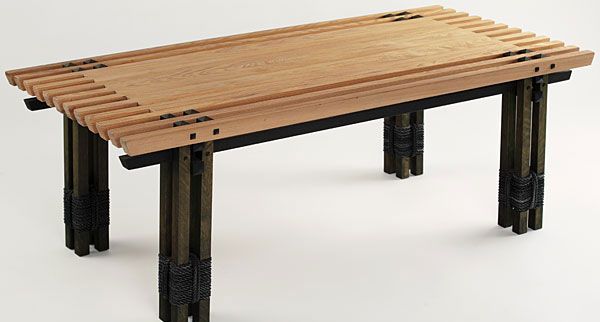
Woodworker: Kevin Rodel
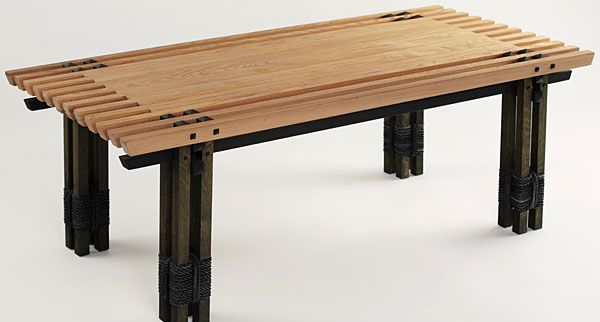
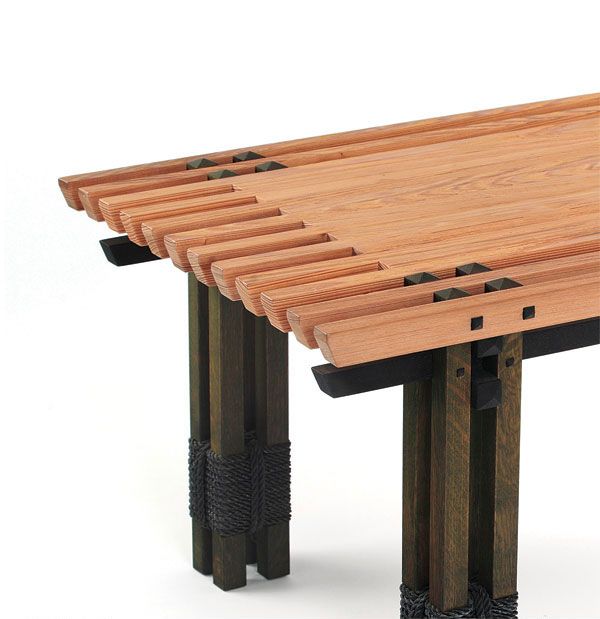
Rodel didn’t want to make yet another coffee table so this one is called a chai table after the Indian-style spice tea. The slat-topped table is his homage to John Scott Bradstreet, a Minnesota Arts and Crafts designer who traveled extensively in Japan in the late 1880s. Bradstreet’s designs inspired Rodel to try the Japanese jin-di-sugi finish featured on the top of the table, in which the wood is abraded to create a deeply textured, topographic surface. Rodel crafted the piece from cypress and dyed white oak. He also employed rope joints and finished the table with a light coat of linseed oil.
Photo: Dennis Griggs
This site is protected by reCAPTCHA and the Google
Privacy Policy and
Terms of Service apply.







Log in or create an account to post a comment.
Sign up Log in