
Here is additional information about supplies, toxicity, and staining that didn’t fit into my article “The Mysteries and Magic of Cherry” in the March/April 2004 issue of Fine Woodworking (#169).
Cherry supplies are shrinking
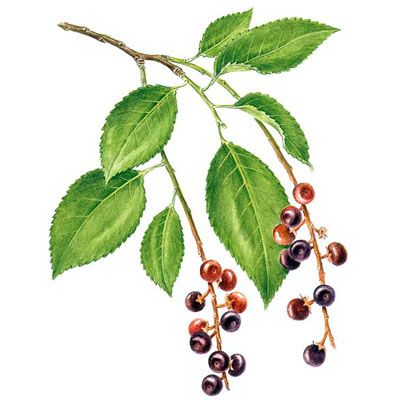
Cherry is unique among the world’s cabinetwoods in that it is the only major timber belonging to the Rose family (Rosaceae). This is a bit surprising given the large size of the family and its substantial economic importance. There are more than 3,500 species in the Rose family spread throughout the Northern Hemisphere, and many of its genera produce trees. Unfortunately though, with the exception of cherry, the rest of the family seems to lack the genetic potential for producing trees with the height and mass to make them commercially viable sources of lumber. However, the Rose family is no stranger to us in other ways, and its gifts to our senses and pleasures are many, including the scent of the rose and so many of the fruits and flavors we appreciate the most. It is not only the source of cherries but also of apples, pears, plums, peaches and apricots as well as almonds and even some berries, such as strawberry and raspberry. Even the woods of some of these other fruit-producing genera are used in cabinetry, but more so in Europe where they are known as “fruitwoods” and have a longstanding tradition in European furniture making. Many of them are nice woods and perhaps, over time, North American woodworkers will come to appreciate them more. But for now, the Rose family offers up only our native North American black cherry (Prunus serotina) as a high-volume cabinetwood. Its darker color, more pronounced figure and unusual, light-stimulated patina make it unique among the world’s most prestigious timbers.
While we North Americans pretty much corner the worldwide market as the only source of top-quality cherry lumber, we have never truly come to manage this resource very well, or for that matter, do we even fully understand the cherry tree’s somewhat demanding silviculture. We know climatically where it grows best, we understand its role as a self-sacrificing nurse species in the maturation of our forests, but as for how to coax it along toward maximum, sustainable timber production, we seem utterly lost.
In the lumber trade, cherry logs are where you find them, and being able to find them in sufficient quantities to meet demand seems to wax and wane from generation to generation. Because we rely on nature to replenish the growing stock, and because cherry is not a particularly well-adapted long-term player in the species mix of mature forests, the supply of this wood is cyclical. Once cherry performs its role in nursing fallow land back to its natural forested state, it tends to die out. As a result, the supply of cherry seems to follow times of turmoil in human history: It begins to become plentiful about 80 years or so after large areas of land that have been cleared by logging, devastated by fires, or abandoned as farms are allowed to naturally reforest. For example, it has been suggested that the ample supplies of cherry we enjoyed during the mid- to late 20th century were in part the result of the Civil War, which caused large numbers of farms to go fallow when so many soldiers failed to return to work the land. Whether this tale bears a germ of truth or is just a romantic embellishment, there is definitely a correlation between how we manage land within cherry’s native range and how much of this fine cabinetwood we will have in the future. As forest management practices shift from clear-cutting to selective logging throughout our hardwood forests, we can count on an ever-diminishing supply of cherry. Because of this species’ extreme shade intolerance, cherry saplings do not do well under the relatively undisturbed canopy of a forest that is being managed via careful selective cutting.
Another related problem we will doubtless experience going forward is the continued decline in the quality of cherry lumber as the industry is forced to harvest less mature trees in order to meet the growing demand. This trend is already in progress, but I suspect many woodworkers tend to unfairly blame this declining quality on regional changes in the source of supply. For several decades, Pennsylvania-grown cherry has developed a reputation as being superior in quality to cherry of the same species grown elsewhere in the eastern U.S. Perhaps climate and soil contribute in subtle ways to the color and figure of cherry, but I’m not convinced that these factors tell the whole story. In fact, of the thousands of board feet of cherry I’ve bought over the years, the best shipment I ever received came from a small mill in northwestern Wisconsin. I’ve also seen exceptionally nice stock shipped from mills in Arkansas, and both of those growing regions have vastly dissimilar climates to that of Pennsylvania.
There is no doubt that Pennsylvania has produced large quantities of outstanding cherry lumber, and its diminished reserves of this species now seriously affect our supply. However, I suspect the more uniform maturity of Pennsylvania’s once plentiful stands, rather than geography, has played the greater role in establishing the mystique surrounding its superior cherry. Given the time to pack the heartwood with an unusually abundant amount of pigment-forming extractives would cause old-growth cherry trees to produce wood with a deeper color. Also, the more leisurely growth rate of fully mature trees would yield stock with a finer, more complex figure. Let’s see now, the Civil War ended in 1865…so, by about 1950 those Pennsylvania cherry trees would have been coming into their prime, wouldn’t they? Nah, it’s probably just a coincidence.
Toxicity is a minor, but real concern
One of the more sinister aspects of cherry’s strange chemistry is that it harbors some bitter and potentially dangerous compounds. Ordinarily, unless an individual has a highly allergic sensitivity to the compounds in cherry, the only noticeable impact they have on most woodworkers is that they contribute to the wood’s pleasant scent. In fact, some of these compounds, when sweetened or diluted with other ingredients, produce commercially important flavorings or even helpful medicines. For example, packing strips of the inner bark into a jar filled with whiskey yields a tannin-rich concoction that has been used for centuries as a folk tonic and cough suppressant. However, lurking among these compounds is a glycoside (a sugar derivative) called prunasin, which is a precursor of cyanide in that it can combine with hydrogen in the digestive system to form hydrocyanic acid (also called prussic acid.) Prunasin is found mostly in the foliage and seed pits of cherry and other related fruit trees, but small amounts of it are also present in the wood.
While woodworkers need not be highly concerned for their personal safety when working with the wood, what we choose to make from it does demand some degree of caution. Items destined for use in the kitchen or that will be handled by young children aren’t the most ideal applications for this species. The use of cherry in cutting boards or even salad bowls is probably safe because the food comes in contact with the wood only briefly and typically at cool temperatures. But other food- or toy-related applications are not without any risk. For example, kitchen utensils such as stirring spoons that might be left to simmer in a pot of hot stew, or even small toys that might be chewed on by infants both risk exposing the wood to conditions that may allow its extractives to be leached out in high enough quantities to be poisonous.
The vagaries of staining cherry
The challenges in achieving an attractive finish on a project made of cherry are dictated by how carefully the stock was initially selected. In other words, the die is cast the moment you choose a board based on its appearance, pigmentation, porosity and texture. Because of cherry’s unending patina-forming process, its ultimate appearance is a perpetual work-in-process, regardless of what you do to tone, seal or polish the completed piece. I suspect, given my own early experiences with this species, that a beginning woodworker tends to assume that the stunning beauty of cherry pieces created by experienced masters is the result of some special skill or secret trick in the finishing process, but much of the credit goes to the wood itself.
Once a completed piece stands before you — shaped, scraped and sanded in its fresh, raw form — there is a compelling tendency to conclude that it is too light and pink in color, and that it will be a hopeless loss unless you stain it. Opinions vary on the use of stains or dyes of any kind, and this choice clearly varies among woodworkers of all stripes. Personally, I never use any coloring agents on raw cherry. To take command of the wood’s appearance in what to me is an excessively forceful way, can deprive it — at least in part — of ever achieving the full depth of its natural patina. When working with cherry, I favor keeping it simple. I use either tung oil or shellac, depending upon the amount of curl in the figure and whether or not I want a high luster, film-type of finish.
Tung oil heightens the contrast in the figure and will enhance the appearance of curly grain, if you intentionally want to do so. However, if the wood has only a slightly undulating grain that might cause unattractive, patchy differences in the wood’s porosity, I skip the oil and proceed directly to a coat of shellac. Spotting the wood’s potential for patchy porosity can be tricky at first. But it’s an easy skill to master by learning to read shifts in the reflective surface luster of the raw wood while changing its position with respect to a bright source of light.
To me, shellac is cherry’s perfect partner, especially when applied using a French polish technique, and I seldom use anything else. On table tops or other surfaces that will be subject to wear or abuse, I sometimes add a final top coat of a more durable varnish over the shellac. I never use varnishes that contain UV blockers, because the last thing I would want to do is retard the patina-forming process. I have on rare occasions added tinting pigments to a second coat of shellac in an effort to mask my less-than-perfect stock selection or to blend out some minor patchiness, but these are desperate measures and better thought of as imperfect cures for mistakes in judgment that should never have happened.
Given the litany of pitfalls cherry presents from log to last-minute details, perhaps the greatest mystery is how it could have such a huge and dedicated following among woodworkers. You don’t just work cherry, you compete with it. You dodge its deceptions while you snare its charms.
Jon Arno retired from a family-owned lumber business and now spends his time writing and working on small projects in his basement shop. For more on cherry, see Jon’s article “The Mysteries and Magic of Cherry” in the March/April issue of Fine Woodworking (#169).
An Online Extra to Fine Woodworking #169






Log in or create an account to post a comment.
Sign up Log in